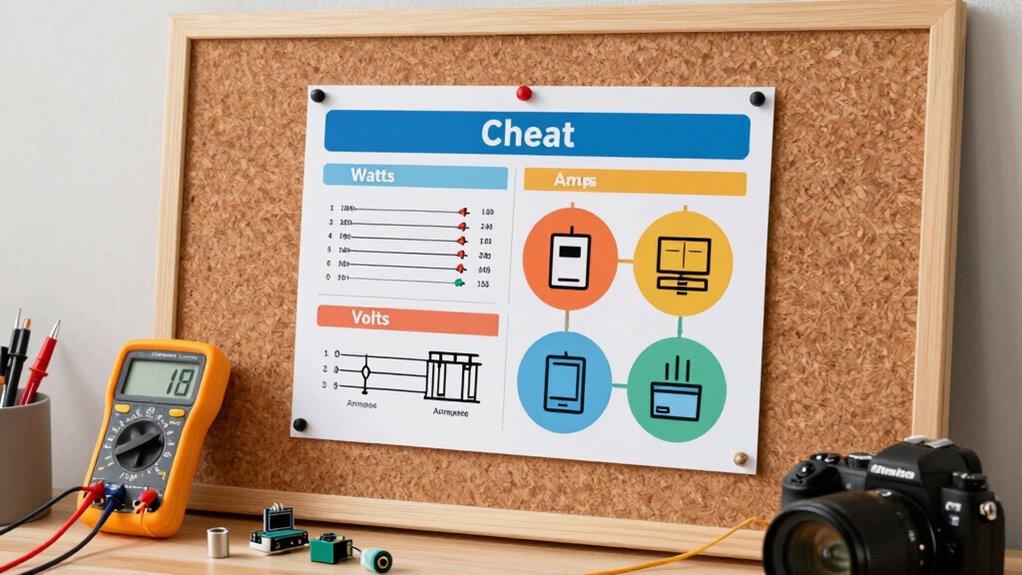

Watts, volts, and amps are key electrical terms that work together to describe your system’s power. Watts show how much energy a device uses, volts measure the electrical pressure, and amps indicate the current flowing through the circuit. Knowing how they connect helps you choose the right wires, protect your devices, and avoid hazards. Want to get smarter about these concepts? Keep going to explore practical tips and troubleshooting strategies.

Get the latest gadgets delivered free with Prime
- Fast, free delivery on millions of items
- Prime Video, Amazon Music and more included
- Member-only deals all year
Key Takeaways
- Watts measure total power consumed or produced; calculated by multiplying volts and amps.
- Voltage is the electrical pressure pushing current; ensure device voltage matches for safety.
- Amps indicate current capacity; choosing proper wiring and breakers prevents overloads.
- To find power, multiply voltage by current; useful for energy management and appliance efficiency.
- Correct understanding of these units prevents electrical hazards and optimizes system performance.
As an affiliate, we earn on qualifying purchases.
What Are Watts, Volts, and Amps : and Why Do They Matter?

Have you ever wondered what watts, volts, and amps really mean when it comes to electricity? These are fundamental electrical terminology that help you understand how devices use power. Watts measure the total power a device consumes or produces, directly relating to power efficiency. Volts indicate the electrical pressure pushing current through a circuit, kind of like water pressure in a hose. Amps show the flow of current, or how much electricity is moving at a given time. Understanding these measurements helps you choose energy-efficient appliances and avoid overloads. When you understand their roles, you can better manage your electricity use, save energy, and reduce costs. These concepts form the foundation for understanding how electrical systems work and how to optimize their performance. Electrical terminology is essential for grasping the basics of energy consumption and system operation.
As an affiliate, we earn on qualifying purchases.
How Watts Show the Power Your Devices Use

Understanding how watts reflect the power your devices use helps you see how much energy they consume. You can accurately calculate watts by multiplying volts and amps, giving you a clear picture of efficiency. This understanding also helps you grasp energy consumption patterns, enabling smarter decisions about device usage. Recognizing classic arcade games and pinball machines can also inspire you to create a fun and nostalgic gaming setup at home. Additionally, understanding the Indian numbering system can help you better interpret large energy consumption figures in regional contexts. Knowing the capacity of your battery inverter generator ensures you select a model that meets your energy demands effectively. Being aware of regional energy sources can further enhance your understanding of how different areas generate and consume power.
Understanding Power Consumption
Ever wonder how the power your devices consume is measured? Watts reveal this by showing the actual energy your device uses over time. Higher wattage means more power consumption, which impacts your energy bills and environmental footprint. Understanding this helps you choose energy-efficient appliances and optimize usage. If you’re interested in renewable sources, knowing wattage helps you compare solar panels, wind turbines, or other green options effectively. It also clarifies how much energy your devices draw, enabling smarter decisions to reduce waste. By tracking watts, you can assess the efficiency of your appliances and make choices that save money and support sustainable energy. Additionally, being aware of air purifier maintenance dos and don’ts can help you keep your devices running efficiently and prolong their lifespan, further reducing unnecessary energy use. Recognizing power consumption factors can guide you in selecting safer and more efficient heating options, like portable oil radiators, which require proper safety precautions. Understanding energy efficiency tips empowers you to adopt habits that lower your overall energy footprint. Ultimately, understanding power consumption in watts guides you toward smarter, greener living.
Calculating Watts Accurately
To accurately calculate the watts your devices use, you need to understand the relationship between voltage and current. Watts measure the actual power consumed, which reflects a device’s energy efficiency. To find this, multiply the voltage by the current (in amps). However, keep in mind that electrical insulation plays a role in safety and efficiency; proper insulation prevents energy loss and ensures accurate measurements. For devices with varying power needs, consider power factor, which adjusts the calculation for efficiency losses. By understanding these factors, you can better assess your devices’ energy consumption and optimize their performance. Proper calculation helps you choose energy-efficient appliances and guarantees safe operation within your electrical system.
As an affiliate, we earn on qualifying purchases.
Why Voltage Is Key for Compatibility and Safety

Voltage plays an essential role in ensuring compatibility and safety when working with electrical devices. Proper voltage regulation prevents devices from receiving too much or too little power, which could cause damage or malfunction. Using equipment designed for the correct voltage helps avoid electrical safety hazards like sparks, overheating, or fires. When electrical devices are incompatible with the voltage supply, they may not operate correctly or could pose risks to users. Ensuring the voltage matches the device’s specifications is vital for safe operation. Additionally, understanding voltage helps you select the right equipment and avoid dangerous situations. Maintaining proper voltage levels through regulation safeguards both your devices and your safety, making sure everything runs smoothly without risking electrical accidents. voltage regulation is crucial for maintaining consistent power levels and protecting your electrical systems. Proper understanding of electrical standards can help prevent common issues related to incorrect voltage usage. Recognizing voltage compatibility ensures that devices function optimally and safely within their intended environments.
As an affiliate, we earn on qualifying purchases.
What Does Amperage Tell You About Your Electrical System?

Amperage shows how much current your electrical system can handle, which directly affects your power capacity. If you overload it, safety risks increase, including potential fires and equipment damage. Understanding your system’s amperage helps you choose the right devices and prevent hazards. Proper solar system safety considerations are essential for preventing accidents and ensuring efficient operation. Additionally, knowing your amperage capacity is crucial when upgrading electrical components to avoid exceeding safe limits. Being aware of your system’s amperage also aids in complying with electrical codes and standards to maintain safety and efficiency. Recognizing your system’s current capacity can help you optimize performance and avoid costly repairs.
Amperage and Power Capacity
Understanding amperage is crucial because it reveals how much electrical current your system can handle at once. Higher amperage means your system can support more devices simultaneously without overload. This directly impacts your power capacity, determining how much load your wiring and electrical insulation can safely support. When reviewing circuit diagrams, you can see the maximum current ratings, helping you avoid exceeding safe limits. Knowing your system’s amperage also helps you select appropriate wiring and circuit breakers, ensuring everything runs smoothly. It’s essential to match your electrical components’ amperage ratings with your power needs to prevent overheating or damage. In short, amperage informs you about your system’s capacity, guiding you in maintaining safe, efficient electrical operation. Amperage ratings are also useful when planning for future electrical expansions, ensuring your system can accommodate increased demand.
Safety Implications of Amperage
Knowing how much current your system can handle isn’t just about performance—it’s a key safety concern. High amperage increases the risk of electrical shock if proper precautions aren’t taken. If your system surpasses its amperage limit, circuit overloads can occur, potentially causing overheating, fires, or damage to appliances. Understanding amperage helps you prevent dangerous situations by ensuring circuits aren’t overloaded. Using the correct wire gauge and a suitable circuit breaker is essential to safely manage current flow. Always respect the amperage ratings of your electrical components. Staying within safe limits reduces the chance of electrical shock hazards and prevents circuit overloads that could compromise your safety and damage your electrical system. Proper electrical wiring is crucial for maintaining safety and efficiency in your system.
How to Calculate Power and Why It’s Important at Home

Have you ever wondered how to determine the power consumption of your household appliances? Calculating power helps you understand energy efficiency and manage your electricity bills better. To find the power in watts, multiply the voltage (volts) by the current (amps) using the formula: Watts = Volts × Amps. Knowing this helps you choose energy-efficient appliances and plan for renewable energy options, like solar panels. When you understand your power use, you can reduce unnecessary energy consumption, save money, and lower your carbon footprint. It also makes it easier to compare appliances and select the most efficient ones. Overall, calculating power at home empowers you to make smarter energy choices and optimize your household’s energy management. Understanding household energy use is key to making informed decisions about electricity consumption, especially when considering sustainable textile care and reducing pollution impacts. Additionally, understanding the relationship between watts, volts, and amps can help you better interpret electrical specifications on appliance labels, ensuring safer and more efficient usage.
Common Mistakes When Mixing Watts, Volts, and Amps

Mixing up watts, volts, and amps is a common mistake that can lead to misunderstandings about electrical systems. One frequent error is incorrect unit conversions, which can cause you to underestimate or overestimate power requirements. This mistake often results in overloading circuits, risking damage or fire hazards. For example, confusing wattage with current can lead you to choose components that aren’t rated for the actual load. Another mistake is assuming these units are interchangeable without considering their relationships. Always double-check your calculations and verify you’re using the correct units for each measurement. Failing to do so can lead to safety issues and inefficient electrical setups. Being precise and cautious helps prevent costly errors and keeps your system running smoothly.
Quick Tips to Master These Terms and Troubleshoot Electrical Issues

Mastering the terms watt, volt, and amp starts with understanding their core relationships and practicing quick calculations. When troubleshooting electrical issues, check the circuit breaker first—if it trips frequently, it indicates an overload or ground wiring problem. Use a multimeter to measure voltage and verify connections. Confirm ground wiring is properly installed and secure, as improper grounding can lead to safety hazards or faulty readings. When testing circuits, always turn off power before inspecting or adjusting wiring. Familiarize yourself with the circuit’s specifications so you can identify overloads or shorts quickly. Additionally, understanding piercing care and hygiene can help prevent complications that might affect electrical equipment if mishandled around sensitive areas. Proper filter sizing and flow can also prevent unnecessary strain on electrical components by ensuring your system operates efficiently. Remember, safe troubleshooting involves knowing your limits and consulting a professional if you’re unsure. Keeping these tips in mind helps you master these terms and troubleshoot effectively, preventing damage and ensuring safety.
Frequently Asked Questions
How Do Watts, Volts, and Amps Affect Energy Efficiency?
Watts, volts, and amps directly impact your energy efficiency. Higher wattage means more power consumption, so choosing lower-watt devices saves energy. A good power factor guarantees appliances use electricity effectively, reducing waste. When amps increase without a corresponding drop in watts, your energy consumption rises. By understanding these factors, you can select efficient appliances and optimize your energy use, ultimately lowering bills and minimizing environmental impact.
Can Appliances With Different Voltage Requirements Be Safely Connected?
Think of connecting appliances with different voltage requirements like fitting puzzle pieces that don’t quite match. You shouldn’t do it, as it risks damaging your appliances and compromising safety. Always check voltage compatibility before plugging in. Using adapters or converters can help, but it’s best to follow manufacturer guidelines to guarantee appliance safety. Mismatched voltages aren’t worth risking your appliances or your safety.
What Safety Precautions Should I Take When Working With Electrical Measurements?
When working with electrical measurements, you should prioritize grounding safety and always wear personal protective equipment like insulated gloves and safety goggles. Before starting, guarantee your tools are properly grounded to prevent shocks. Turn off power when possible, and double-check connections before measuring. These precautions help protect you from electrical hazards, reducing the risk of shock or injury during your work. Always follow safety guidelines and manufacturer instructions closely.
How Does Wiring Gauge Influence Amperage Capacity?
Wiring gauge is the backbone of electrical safety, like a sturdy bridge supporting your circuit capacity. Thicker wires, with a lower gauge number, handle more amperage, preventing overheating and fires. Conversely, thinner wires can’t carry high currents securely. Choosing the right wire thickness ensures your circuit’s amperage stays within safe limits, like a well-oiled machine. Always match wiring gauge to your electrical load to keep everything running smoothly.
Are There Legal Regulations for Electrical System Upgrades at Home?
Yes, there are legal regulations for home electrical system upgrades. You need to obtain electrical permits before starting work, guaranteeing your project complies with local building codes. These codes set safety standards for wiring, outlets, and panel upgrades. Failing to follow them can lead to penalties or safety hazards. Always check with your local building department, hire licensed electricians when required, and get the necessary permits to ensure your upgrades are legal and safe.
Conclusion
Now that you know the basics of watts, volts, and amps, you can confidently troubleshoot and understand your electrical system. Isn’t it empowering to grasp these key concepts and keep your home safe? With this cheat sheet, you’re better equipped to make informed decisions and avoid common mistakes. So next time you’re faced with an electrical question, will you feel ready to tackle it head-on? The power’s in your hands!
Fall Picks
fall essentials
As an affiliate, we earn on qualifying purchases.